

Noise Hazards at Work: Protecting Your Hearing
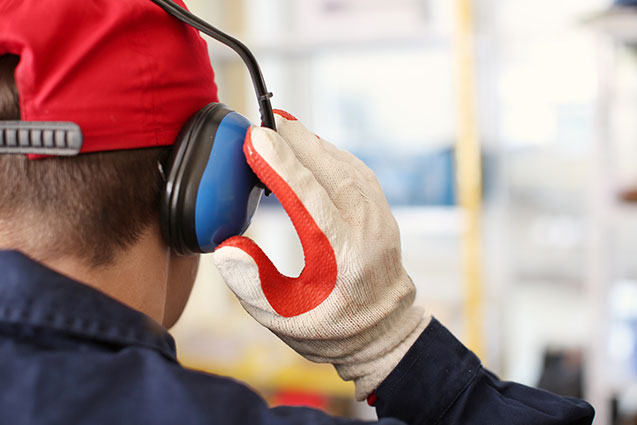
Hearing loss ranks as the third most common health condition in the United States, impacting nearly one in five Americans. Although often overlooked, noise-induced hearing loss is one of the most widespread occupational injuries today.
Studies reveal that around 13% of U.S. employees suffer from work-related hearing loss due to long-term exposure to loud environments. The CDC reported that one in eight workers shows signs of hearing damage, with certain industries facing higher risks than others.
Industries with Highest Risk
- Mining: 17% of workers experience hearing loss, making it the loudest industry with extreme noise exposure.
- Construction: 16% of workers are affected, largely due to heavy machinery and tools.
- Manufacturing: 14% of workers face hearing damage from sustained industrial noise.
Noise-induced hearing loss is not limited to older adults—it can affect anyone exposed to unsafe noise levels over time. OSHA estimates that 22 million employees encounter hazardous noise annually, leading to millions in compensation claims. Yet, hearing loss is permanent and cannot be reversed.
How to Protect Your Hearing
If you work in a noisy environment, take proactive steps to safeguard your hearing:
- Use earplugs or earmuffs consistently, even if protective gear is optional.
- Monitor workplace noise levels with smartphone decibel apps.
- Request hearing protection from your employer if noise exceeds safe limits.
- Schedule annual hearing tests to detect early signs of damage.
Any noise above 85dB can cause harm over time. Awareness and consistent protection are essential—your hearing is irreplaceable, so protect it before it's too late.